

EU leaders try to reach political deal on Russian oil embargo: EU official
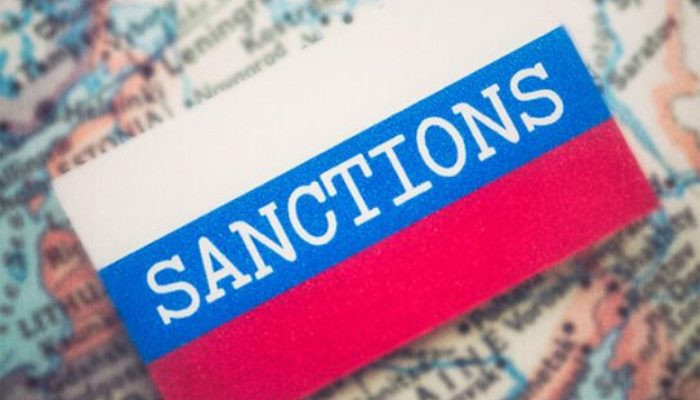
EU leaders are trying to strike a political agreement on imposing a partial embargo on Russian oil imports on Monday, an EU official said before the start of the leaders’ summit.
Speaking on the condition of anonymity to EU reporters, an EU official said that European heads of state and government aim to reach a political agreement on the bloc’s sixth sanctions package against Russia at their special summit.
The source implies a breakthrough after nearly a month of stalled negotiations between EU member states that have been divided on the topic of the oil embargo.
EU ambassadors couldn’t reach an agreement on the sanctions package during the weekend and reconvened on Monday morning as a last attempt to find a deal before the start of the EU summit.
Over the past weeks, countries highly dependent on Russian energy, including Slovakia, the Czech Republic and Bulgaria, have voiced concerns over the draft, but Hungary has been the most vocal and adamant about refusing the oil embargo.
It seems like the new version of the sanctions package would give an important concession to Hungary since it would exempt pipeline oil imports from restrictive measures, in line with the latest demands of the country.
According to the EU source, the oil embargo would “cover more than two-thirds of oil imports from Russia, such as seaborne oil” and grant “some temporary exceptions” to certain countries “to ensure the security of supply.”
The sanctions package would also exclude new Russian banks, including the country’s biggest Sberbank, from the international SWIFT payment system, ban three new Russian state-owned media outlets from broadcasting in the EU and impose a travel ban and asset freeze on people who committed war crimes in Ukraine, the official confirmed.
EU leaders hold a two-day special summit in Brussels with the bloc’s support for Ukraine, energy, food security, and European defense reforms as the main points on the agenda.
The EU has allocated €2 billion ($ 2.13 billion) in military aid to Ukraine and mobilized more than €4 billion in macro-financial assistance, humanitarian aid, and support to EU countries hosting refugees from Ukraine since the war began Feb. 24.
It has also adopted five sets of sanctions against Russia, targeting individuals, including Russian President Vladimir Putin and Foreign Minister Sergey Lavrov, as well as banning the export of luxury goods and coal imports and excluding Russian and Belarusian banks from using the SWIFT system.

Singapore is paying people to read books – can it fix the reading crisis?
9523:18
Vance on prospects for ending Russia’s war against Ukraine: It is just matter of time Source: https://censor.net/en/n4024541
10422:54
More than 1.6 million urged to evacuate as powerful typhoon threatens Japan (video)
23914:30
ChatGPT Conversations Lead to Arrest Over Threats in Brazil
40300:12
Trump administration prepares to sanction the International Criminal Court, WSJ reports
363Yesterday, 23:48
The U.S. Military Needs to Build Up Its Endurance
77818.09.2026, 22:37
Five EU leaders: Europe must spend better, not just more
69518.09.2026, 21:55
Russian man swims from Kaliningrad to Lithuania in failed asylum attempt
69918.09.2026, 19:06