

Incredible Living Sculpture In The Lost GardIncredible Living Sculpture In The Lost Gardens Of Heligan Changes Its Appearance With The Seasonsens Of Heligan Changes Its Appearance With The Seasons
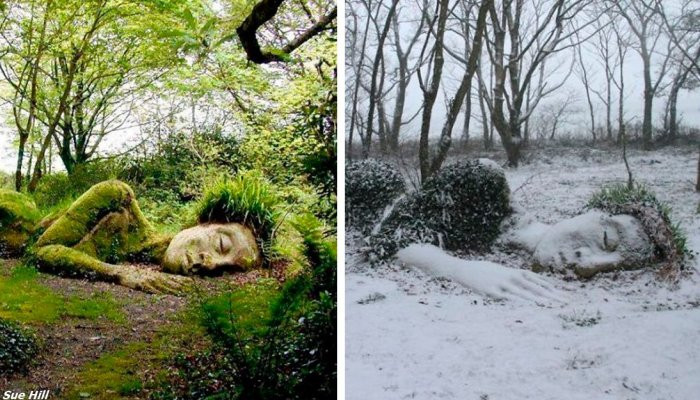
Cornwall, in the Southwest of England, is a magical place steeped in fairytales and the legends of King Arthur. Here lie the mysterious Lost Gardens of Heligan—Europe’s largest garden restoration project that spans 200 acres and is perfect for explorers, plant lovers, and romantics.
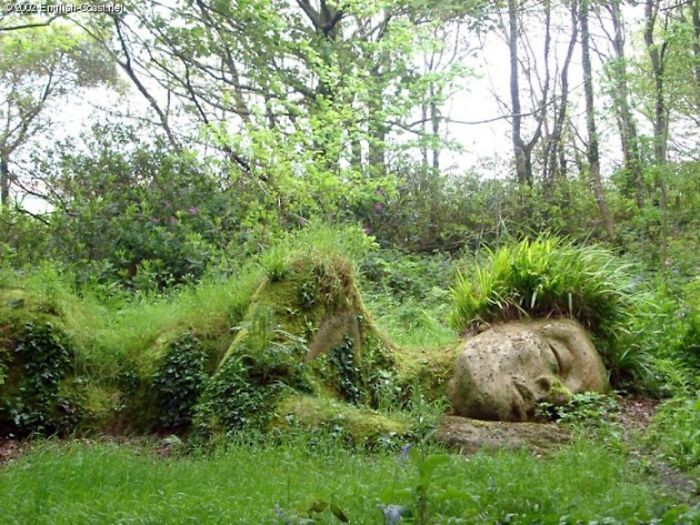
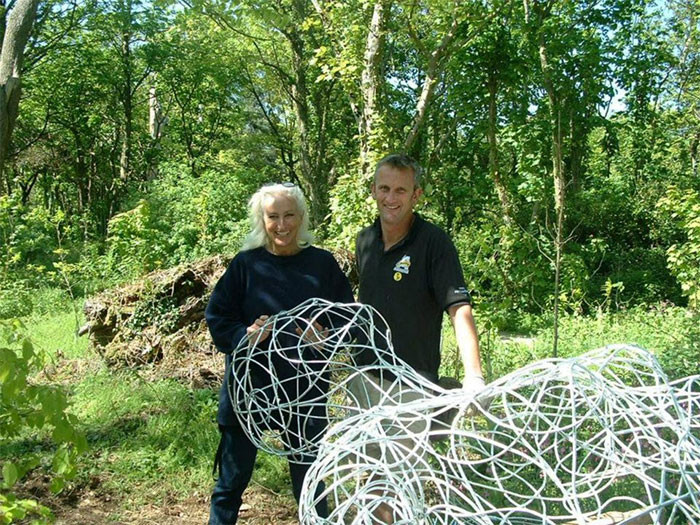
Inside Heligan, you’ll discover many secrets, and one of them is the iconic Mud Maid sculpture, lovingly crafted by local artists—brother and sister duo, Pete and Sue Hill. The sculpture was commissioned back in 1997 and has become an inseparable part of The Lost Gardens’ Woodland Walk ever since.
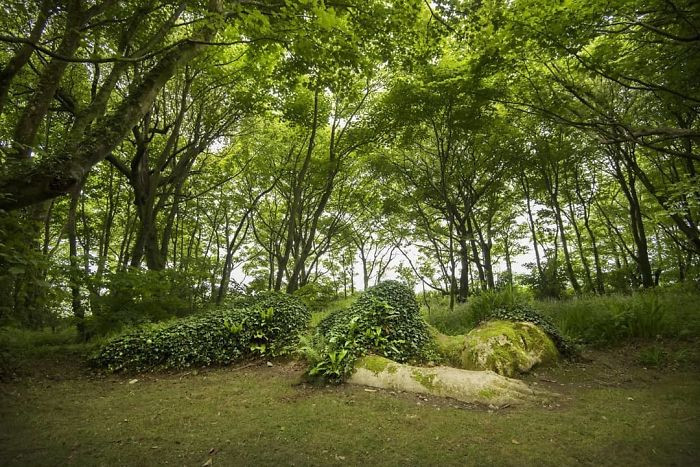
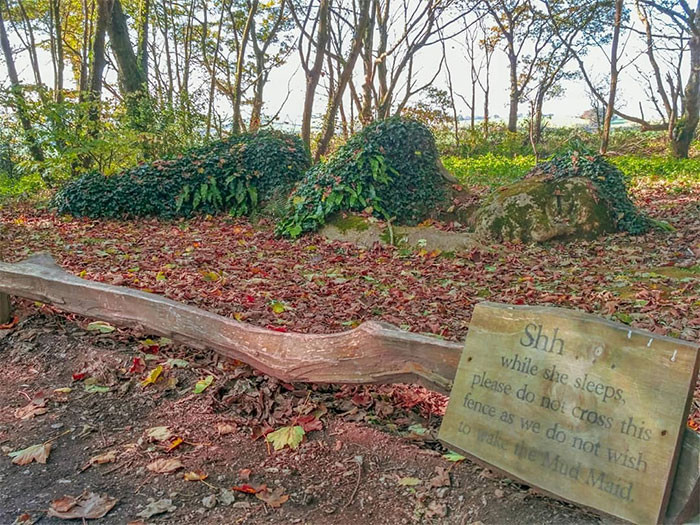
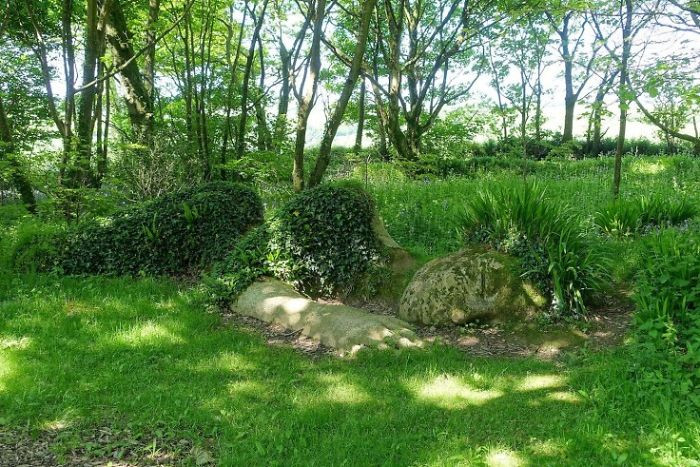
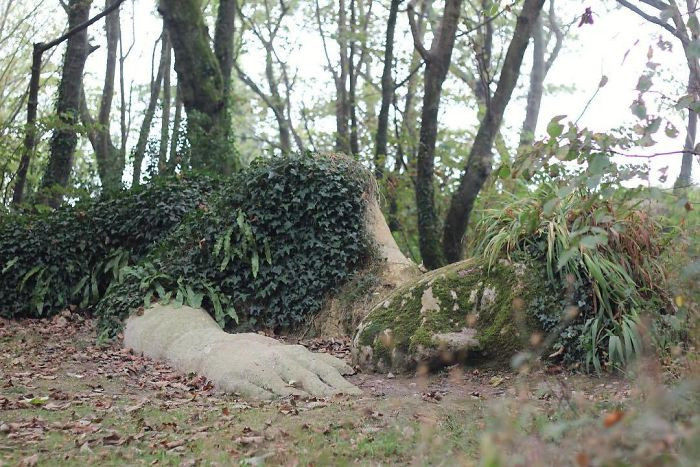
The so-called Mud Maid is a living sculpture. That means that her ‘clothes’ and ‘hair’ change with the seasons as grass, ivy, and moss grow and then wither. So you’ll see that she has a vibrant appearance in Spring and in Summer; and she will look completely different in Autumn and Winter.
The Mud Maid, along with the Hills’ other sculpture, The Giant’s Head, are meant to bring a sense of mystery to Heligan and to enhance the woodland experience.
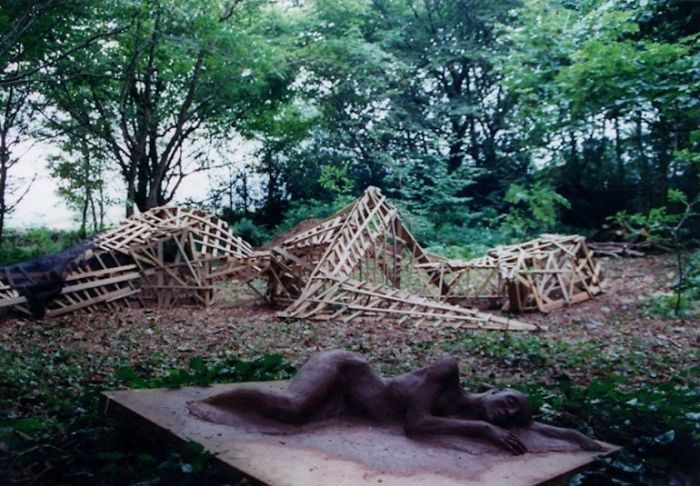
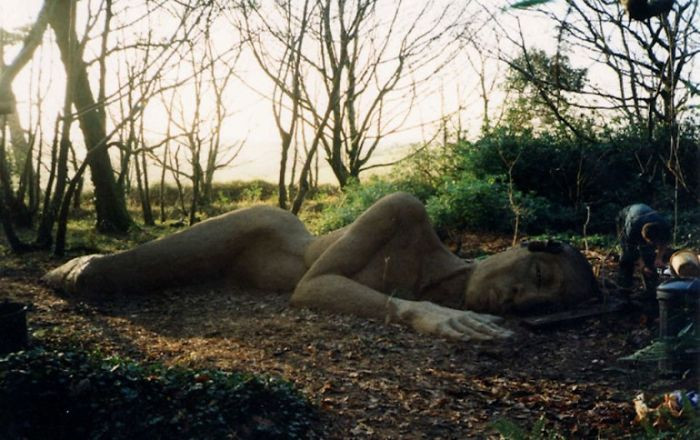
The Mud Maid was built by crafting a hollow framework made of timber and windbreak netting; the brother-sister sculptors applied sticky mud to it.
The face of the sculpture is made from a mix of mud, cement, and sand. Fun fact: originally, it was coated in yogurt to make lichens grow. Meanwhile, the Maid’s head is full of Woodsedge and Montbretia while ivy makes up her clothes.
The Lost Gardens of Heligan were established by the Tremayne family back in the 18th century and are one of the most famous British botanical gardens. Before World War I, the Tremanynes employed 22 gardeners to keep the estate prim and proper.
However, once the war started, many of the gardeners went off to the front. After WWI ended, the number of gardeners diminished and the estate fell into disrepair.
The Hills’ living sculptures attract thousands of visitors to the 400-year-old gardens each and every year.

«The so-called report on the Armenian Apostolic Holy Church, published by the Government of the Republic of Armenia, is unconstitutiona»: Mother See of Holy Etchmiadzin
152624.09.2026, 23:30
Archaeologists Uncovered a First-Century Synagogue Where Jesus May Have Taught
246420.09.2026, 23:12
''The cultural destruction carried out by Azerbaijan does not constitute a series of isolated incidents, but rather manifestations of a systematic policy''. Hovik Avanesov
184019.09.2026, 16:12
Emmys 2026: The winners and nominees in full (video)
362815.09.2026, 13:55
Denmark has found the largest Viking Age silver hoard in the country's history
769501.09.2026, 00:24
Global fertility rates fall below the replacement rate for the first time
896425.08.2026, 22:36
Japan enlists 1,800 people to drag a 360-tonne castle keep using ropes and rollers (video)
869925.08.2026, 22:24
Blood-induced biomineralized calcium carbonate used for binding in the Huashan rock art of Guangxi, Southern China
892724.08.2026, 22:31